
A few months after confirming its commitment to the GEN4 era of the ABB FIA Formula E World Championship, the team continues the development of its future race car while confirming its driver line-up for Season 13.
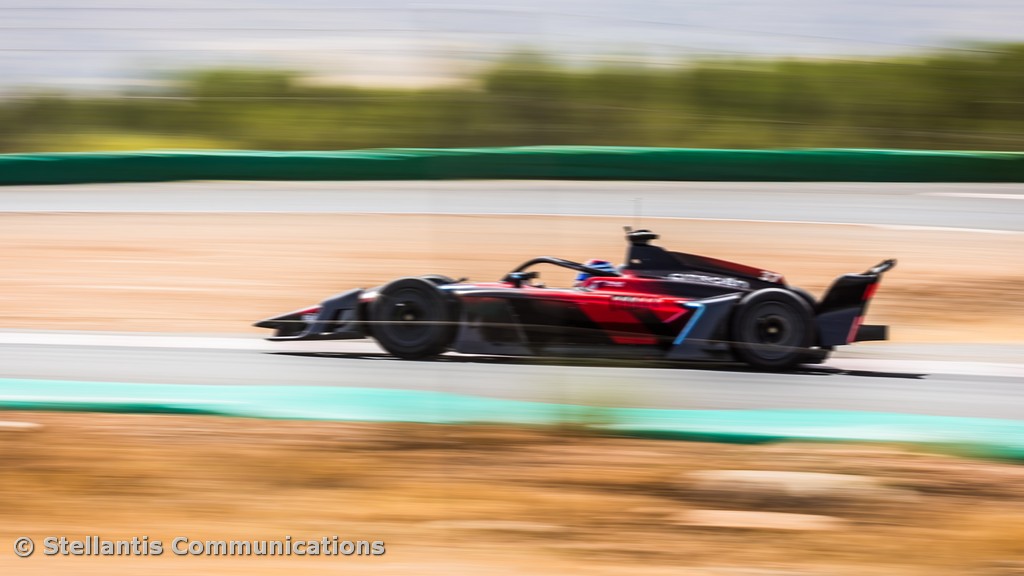
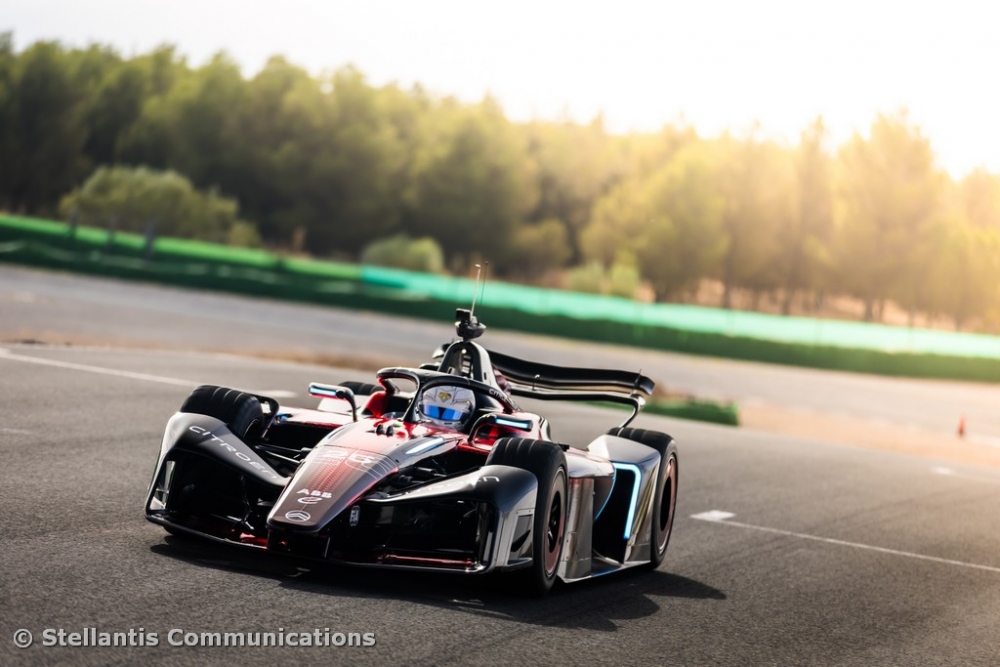
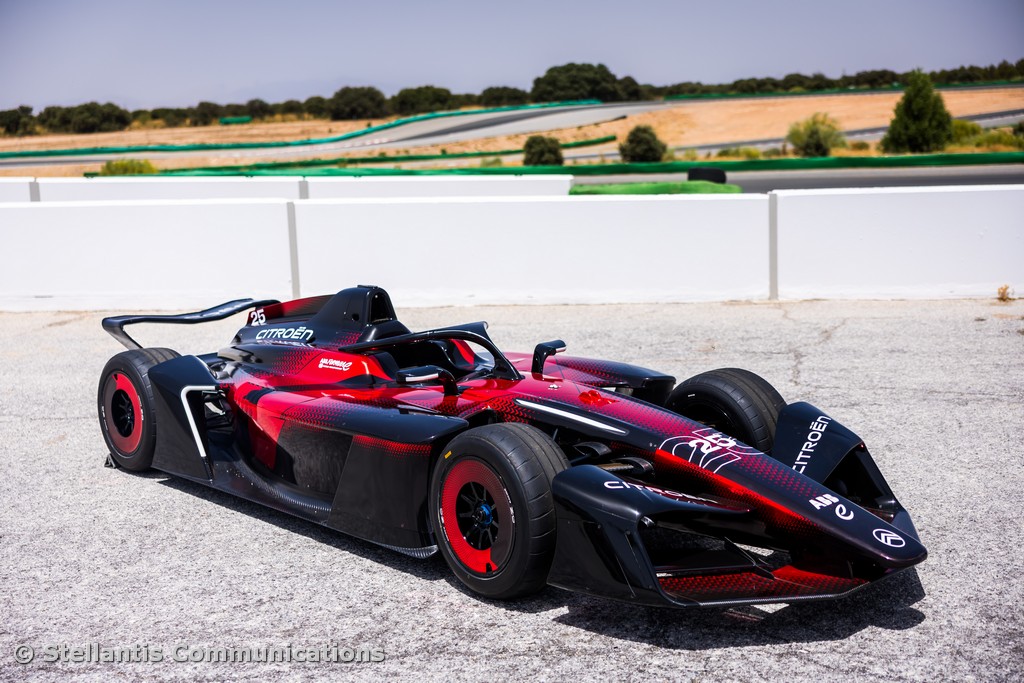
Since the first FIA-supervised track tests last November, the GEN4 program has continued to progress through a series of development sessions held across several European circuits. From Calafat to Andalusia, via Navarra and most recently Guadix, each test has enabled the team to continue developing the car under a variety of conditions in preparation for its championship debut next December.
Beyond the pursuit of outright performance, these test sessions allow the engineers to continue developing the powertrain, optimize the software systems and correlate simulation data with real-world track conditions. Drivers’ feedback also plays a vital role in the development process, helping refine the car’s set-up and guide future technical developments.
The GEN4 will represent a major step forward in the history of Formula E thanks to several key technological innovations:
Power output increased to up to 600 kW (815 hp), making the GEN4 the most powerful all-electric single-seater ever developed;
Permanent All-Wheel Drive, a first in the history of the championship;
Energy regeneration capability of up to 700 kW through the front and rear powertrains;
A new 55 kWh battery delivering increased performance and efficiency;
Two distinct aerodynamic configurations: High Downforce and Low Downforce, adapted to the different phases of a race weekend.
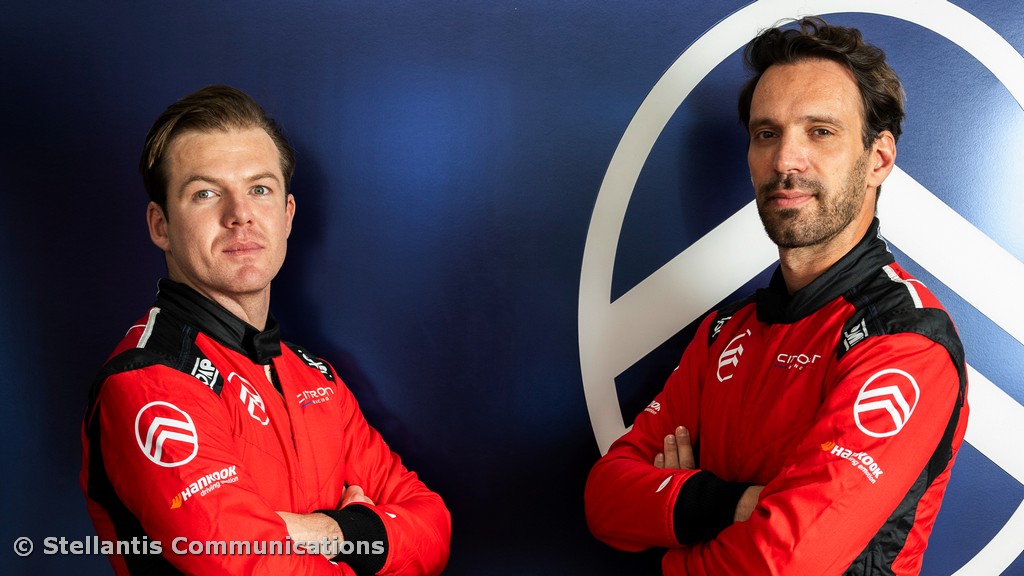
As the championship prepares to enter this new generation of race car, Citroën Racing confirms that Jean-Éric Vergne and Nick Cassidy will once again form the team’s driver line-up for Season 13 of the ABB FIA Formula E World Championship.
Drawing on their extensive Formula E experience and complementary strengths, both drivers will continue working closely with the technical team throughout the final stages of the GEN4 development program ahead of its competitive debut at the opening round of next season on the Jeddah Corniche Circuit.
During the latest test session in Guadix, the GEN4 completed more than 500 kilometers, generating a significant amount of valuable data that will support the next phases of development ahead of the official pre-season testing program.
Xavier Chardon, Citroën’s CEO :
“GEN4 marks the beginning of a new chapter for Citroën Racing and for our commitment to Formula E. Confirming Jean-Éric Vergne and Nick Cassidy as our driver line-up is fully aligned with that vision. Their experience, deep understanding of the championship and ability to contribute to the technical development of our future race car will be invaluable as we prepare for Season 13. We look forward to writing this new chapter in our Formula E journey together.”
Beth Paretta, MSG’s Managing Director:
“We’re delighted to continue this journey with Jean-Éric and Nick. Beyond their performances on track, they play a key role in the development of the GEN4 thanks to their experience and the quality of their technical feedback. The transition to the GEN4 era will mark a major milestone for Formula E, and we have one clear objective: to arrive at the start of Season 13 with a competitive and reliable car as we battle for the championship title.”
Nick Cassidy, Citroën Racing Formula E Team’s driver:
“I’m very happy to continue with Citroën Racing Formula E Team for Season 13. We’ve built a strong relationship within the team, and I’m looking forward to continuing the development of the GEN4. It’s an exciting time for Formula E, with a new generation of car that represents a completely new challenge. I can’t wait to keep working with the whole team and unlock the full potential of the GEN4 once it hits the track.”
Jean-Éric Vergne, Citroën Racing Formula E Team’s driver:
“I’m proud to continue this journey with the team. Developing a new generation of race car is always a unique challenge for a driver. The arrival of the GEN4 is incredibly exciting and will mark a major step forward for the championship. We still have plenty of work ahead of us, but I’m confident we’ll arrive at the start of Season 13 with strong foundations and be ready to fight from the very first race.”
APPENDIX – A DAY OF GEN4 TRACK TESTING
Simon Merchet, Head of Formula E Programme Development, Stellantis Motorsport
What are the main objectives of a testing day?
A testing day has two main objectives. The first is to allow the drivers and the team to familiarise themselves with the new car, its new tools and to gradually understand its behaviour. The second is to continue the development of the GEN4, whether by validating the new standard components introduced by the championship or by optimising the software that controls the car. Every kilometre completed helps us deepen our understanding of the race car.”
How is a development test day planned?
“Before each test session, we put together a very detailed programme that defines the different objectives to be covered throughout the day. Each run is dedicated to a specific task, whether it’s evaluating an upgrade, validating a set-up change or collecting data on a particular system. A testing day is considered successful when all the planned objectives have been completed. Any items that require further work, or couldn’t be completed due to time constraints, are carried over to the following test sessions.”
Why is track testing still essential when so much development is carried out in simulation?
“Simulation work and the development carried out at the factory allow us to build hypotheses and develop the car long before it reaches the track. However, some aspects can only be validated in real-world conditions. Track testing allows us to confirm, or sometimes challenge, what we have observed in the simulator. It is also the only way to incorporate driver feedback, which is something that simply cannot be replicated in a laboratory environment.”
How does the GEN4 represent a new step forward in Formula E development?
“The GEN4 represents a major step forward for the programme. The car is faster, features much more advanced aerodynamics and delivers a higher level of performance, particularly through the corners. This new generation is significantly more capable than its predecessors and opens entirely new areas of development, particularly in aerodynamics. It’s a more capable car, but also a more demanding one, both for the drivers behind the wheel and for the engineers developing it.”